

GoWest MAXX Convention 2024
GoWest MAXX Convention 2024
Gaylord Rockies Resort & Convention Center, Aurora, CO
Aunalytics to attend the 2024 GoWest MAXX Convention
Aunalytics is thrilled to be an exhibitor at the 2024 GoWest MAXX Convention in Aurora, CO on October 13-16, 2024. Aunalytics will be at booth #193 demonstrating our member intelligence solution which enables credit unions to use AI to increase deposits and more effectively identify and deliver new services and solutions—allowing them to compete with large national banks.

2024 Jack Henry Connect
2024 Jack Henry Connect
Phoenix Convention Center, Phoenix, AZ
Aunalytics to attend 2024 Jack Henry Connect
Aunalytics is excited to attend 2024 Jack Henry Connect. Representatives from Aunalytics will be demonstrating our customer intelligence solution at booth #830. Aunalytics enables financial institutions to increase deposits and more effectively identify and deliver new services and solutions for their customers and members so they can better compete with large national banks.
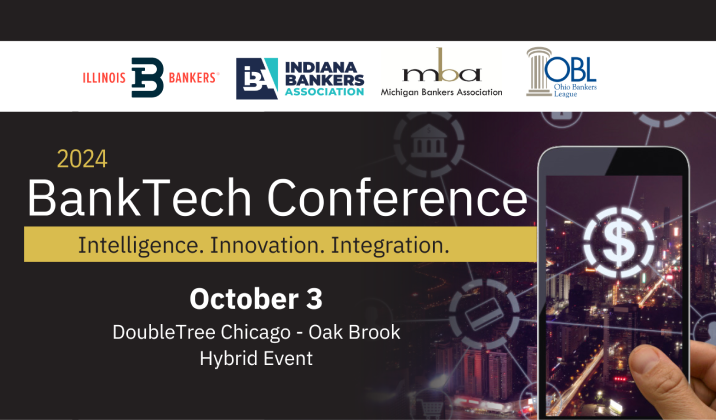
2024 BankTech Conference
2024 BankTech Conference
DoubleTree by Hilton Hotel Chicago - Oak Brook, Oak Brook, IL
Aunalytics to be featured at the Innovators' Showcase at the 2024 BankTech Conference
Aunalytics is excited to attend and exhibit at the 2024 BankTech Conference, presented by a partnership of Illinois, Indiana, Michigan, and Ohio state banking associations in Oak Brook, IL. Kyle Davis, VP, Managed Analytics from Aunalytics will be demonstrating how our customer intelligence solution enables banks to increase deposits and more effectively identify and deliver new services and solutions for their customers so they can better compete with large national banks.
2024 Indiana Credit Union League Annual Meeting & Convention
2024 Indiana Credit Union League Annual Meeting & Convention
JW Marriott Indianapolis, Indianapolis, IN
Aunalytics to attend the 2024 Indiana Credit Union League Annual Meeting & Convention
Aunalytics is thrilled to be an exhibitor at the 2024 Indiana Credit Union League Annual Meeting & Convention in Indianapolis, IN on October 2 – 4, 2024. Aunalytics will be at booth #20 demonstrating our member intelligence solution which enables credit unions to use AI to increase deposits and more effectively identify and deliver new services and solutions—allowing them to compete with large national banks.
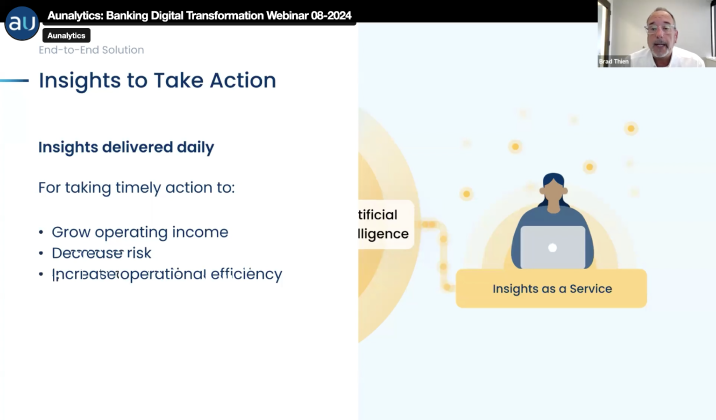
Digital Transformation in Community Banking Webinar
Digital Transformation in Community Banking
With the help of AI technologies, community banks have successfully been able to strengthen relationships, reduce churn, increase deposits, and improve ROI enterprise-wide by utilizing the data they already have at their fingertips—and your organization can, too. However, successful digital transformation can be a major challenge for midsized and community-based banks. Adopting new technologies, shifting operational mindsets, and hiring the talent necessary to build and execute upon AI solutions is a major endeavor. Many banks do not even know where to begin. In this presentation, discuss the steps and considerations for aggregating data across your bank to create a 360-degree view of your customers, why that is important, and ways other community banks have found success through analytics initiatives.

2024 PACB Annual Convention
2024 PACB Annual Convention
Pennsylvania Association of Community Bankers
The Omni Homestead Resort, Hot Springs, VA
Aunalytics to exhibit at the 2024 PACB Annual Convention
Aunalytics is excited to attend and exhibit at the 2024 PACB Annual Convention, presented by the Pennsylvania Association of Community Bankers in Hot Springs, VA. Representatives from Aunalytics will be demonstrating how our customer intelligence solution enables banks to increase deposits and more effectively identify and deliver new services and solutions for their customers so they can better compete with large national banks.
Cornerstone ELEVATE 2024 Credit Union Leadership Summit
Cornerstone ELEVATE 2024 Credit Union Leadership Summit
Hampton Inn Houston Downtown, Houston, TX
Aunalytics to attend the ELEVATE Credit Union Leadership Summit
Aunalytics is thrilled to be an exhibitor at the Cornerstone ELEVATE Leadership Summit in Houston, TX on September 4 – 6, 2024. Aunalytics will be at booth #101 demonstrating our member intelligence solution which enables credit unions to use AI to increase deposits and more effectively identify and deliver new services and solutions—allowing them to compete with large national banks.

Banking Forward: Analytics Trends in Financial Services

Banking Forward:
Analytics Trends in Financial Services
In the world of financial services, staying ahead of competition means embracing analytics trends that enhance customer and member experiences and operational efficiency. As technology continues to reshape the industry, financial institutions are turning to advanced analytics solutions to gain insights on customer and member behaviors.
Higher Customer and Member Engagement through Online and Mobile Services
Improving the online and mobile experiences is at the forefront of modern banking strategies. Institutions are not only investing in robust mobile banking apps but also leveraging app data to gain deep insights into customer or member behavior. By analyzing transaction patterns, engagement metrics, and user feedback, banks can uncover valuable insights that inform strategic decisions and improve service offerings. This increased access to mobile services significantly enhances the customer and member experience by providing convenient access to financial information anytime, anywhere.

It’s important to note that improved mobile services play a crucial role in shaping personalized experiences, which have become a cornerstone of customer engagement in the banking industry. Through advanced analytics, banks can decipher intricate client data to understand their preferences, goals, and financial behaviors. This allows them to create tailored advice and personalized financial plans on a large scale. Detailed client profiles allow banks to anticipate needs and offer relevant products and services proactively, thereby enhancing customer satisfaction and loyalty.
Highly Personalized Advising
Advising Services, like personalized experiences, is another solution that ensures each client receives tailored assistance aligned with their specific needs. Advising Services have evolved significantly with the integration of customer relationship management (CRM) technology. By using CRM tools, banks can compile comprehensive customer profiles enriched with transaction history, communication preferences, and financial goals. This wealth of data allows financial advisors to deliver customized guidance that addresses each customer’s unique circumstances and aspirations. Such personalized advisory services foster stronger client relationships, driving loyalty and retention in a competitive market.
Enhanced Customer Service through AI-Powered Chatbots
Similarly, AI (Artificial Intelligence) is revolutionizing customer interactions within the banking sector and how they might seek out help. AI-powered chatbots are being deployed to handle routine inquiries and provide instant assistance, reducing wait times and enhancing customer satisfaction. These chatbots are integrated seamlessly into banking platforms, offering users real-time support and guidance. Moreover, AI-driven virtual assistants are being used to deliver personalized money management tips, empowering customers and members with actionable insights to make informed financial decisions.
Open Banking Initiatives
And while AI is implemented to assist clients, open banking ensures that clients retain ultimate control over their data. Open Banking represents a new era of connectivity and collaboration in financial services. By securely sharing customer information through APIs (Application Programming Interfaces), banks can build partnerships with third-party applications and services. This integration allows for enhanced functionalities such as aggregated financial insights, streamlined payment processes, and personalized financial recommendations.
Predicting and Preventing Fraud and Cyberthreats
Finally, with the increase of cyberthreats and ransomware, cybersecurity and fraud detection continue to trend as well. Effectively identifying and mitigating malicious threats calls for strategic planning and investments in tools and infrastructure. Investing in cybersecurity further enhances customer and stakeholder trust by committing to protecting their data and assets.

In conclusion, the banking and credit union sectors are embracing advanced analytics trends to enhance customer experiences, streamline operations, and drive sustainable growth. By leveraging technologies like AI, CRM, and open banking principles, institutions can deliver personalized services that cater to individual needs and preferences effectively. Embracing these trends not only positions banks as industry leaders but also ensures they remain relevant and responsive to evolving customer expectations in a digitally-driven world.
At Aunalytics, we are committed to empowering community banks and credit unions with cutting-edge solutions that leverage these trends. By partnering with us, community banks and credit unions can optimize their operations, strengthen customer and member relationships, and prevent cyberattacks and fraud events that can erode consumer trust. We believe in supporting our clients to ensure that they remain at the forefront of the financial services sector.
2024 CULytics Day
2023 CULytics Day
Aunalytics to Present Case Study at 2024 CULytics Day
Aunalytics is pleased to be a Gold Sponsor of 2024 CULytics Day, where we will be sharing information on how AI can be used to help credit unions discover insights in their data and gain a more complete view of their members. Aunalytics’ credit union solutions enable users to leverage data and artificial intelligence to increase deposits and improve the member experience.

CBAO 50th Annual Convention
CBAO 50th Annual Convention
Community Bankers Association of Ohio
Hilton Columbus Downtown, Columbus, OH
Aunalytics to exhibit at the CBAO 50th Annual Convention
Aunalytics is excited to be attending and exhibiting at the 2024 CBAO Annual Convention, presented by the Community Bankers Association of Ohio in Columbus, OH. Representatives from Aunalytics will be demonstrating how our customer intelligence solution enables banks to increase deposits and more effectively identify and deliver new services and solutions for their customers so they can better compete with large national banks.