

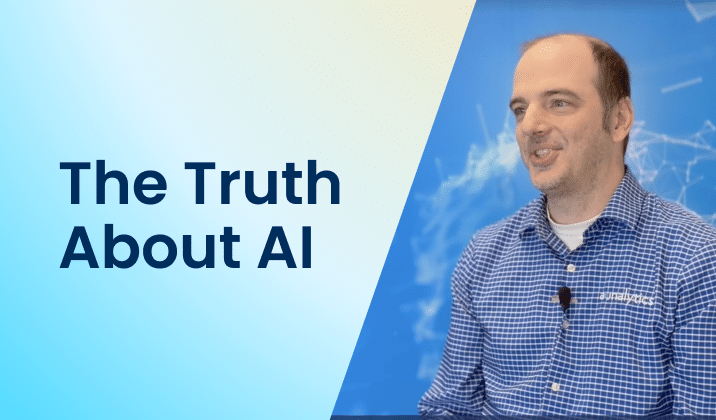
The Truth About Artificial Intelligence in Business
Is the existence of Skynet imminent or is that simply a sci-fi trope? In this brief video, Dr. David Cieslak, Chief Data Scientist at Aunalytics, talks about the capabilities of Artificial Intelligence in business, some potential concerns with AI, and where the technology is headed in the future.
While there exists a broad range of applications for AI, in the business world, this technology has the potential to drastically change how we understand our customers and how we use our data to interact with them. Once created and trained with customer data, AI has the ability to quickly provide suggestions and insights that would otherwise be prohibitively difficult or even impossible to observe on your own.
David Cieslak, PhD, is the Chief Data Scientist at Aunalytics since its inception and leads its Innovation Lab in the development and delivery of complex algorithms designed to solve business problems in the manufacturing/supply chain, financial, healthcare, and media sectors. Prior to Aunalytics, Cieslak was on staff at the University of Notre Dame as part of the research faculty where he contributed on high value grants with both the federal government and Fortune 500 companies. He has published numerous articles in highly regarded journals, conferences, and workshops on the topics of Machine Learning, Data Mining, Knowledge Discovery, Artificial Intelligence, and Grid Computing.

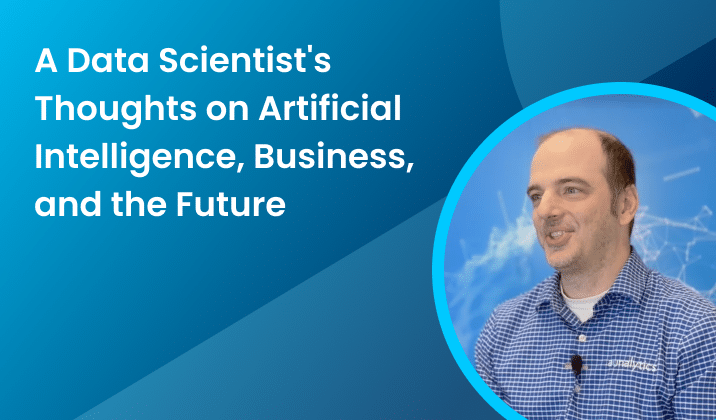
A Data Scientist's Thoughts on Artificial Intelligence, Business, and the Future
A Data Scientist's Thoughts on Artificial Intelligence, Business, and the Future
In this interview, David Cieslak, PhD, the Chief Data Scientist at Aunalytics, describes complex analytics concepts such as artificial intelligence, machine learning, and deep learning, and explains how they are useful for businesses today—and will continue to be in the future. David has been with Aunalytics since its inception and leads its Innovation Lab in the development and delivery of complex algorithms designed to solve business problems in the manufacturing/supply chain, financial, healthcare, and media sectors.




Do you have the tools and talent to set your organization up for analytics success?
Most business leaders would agree: data is a valuable asset. Having up-to-date, accurate data with which to make data-driven decisions currently gives organizations an edge, but eventually, this will become table stakes in most industries, simply to remain competitive. However, an up-front investment in a strong technical foundation and a shift to embrace analytics culture throughout the organization are required to achieve analytics success.

Unfortunately, there are many challenges to overcome when trying to bring siloed and dirty data from multiple sources across your business to a single place to be analyzed, including a lack of time and manpower, and the need for data points that don’t currently exist, to name a few. Using data analytics, it becomes possible to better optimize your business by discovering operational efficiencies, reducing costs, tracking customer trends across your organization, and making strategic decisions based on predictive data models. Is partnering with analytics experts the best choice for mid-sized institutions, or should you hire Full-Time Employees (FTEs) to build and manage your data?
There are multiple ways an analytics platform could be created—we’re going to look at two today.
Build it yourself
The first is choosing to create a custom data platform. While not a bad choice, it could take a FTE years to create your analytics platform—if it’s ever finished. An engineer hired to build a custom platform may leave you high and dry with no one to step in to help. Something like this could cost your business months—or even years—of lost money and productivity, leaving you with nothing to show for your platform building efforts.
Even if your data engineer remains with your business, there are other challenges you may encounter. It can be difficult for a single FTE to stay up to date on the newest technological advances and upgrades. Especially when that person is not only expected to clean and update information on thousands of data records, but also take care of system and software updates, keep up with changing trends in the analytics world, and more. A lack of manpower can also make tasks like finding trends in your data nearly impossible, as data processing may be far behind where your most recent and relevant business analytics can be found.
When it comes to advanced analytics, you would need to find and hire additional employees who are skilled in advanced data analytics, machine learning, and AI techniques, and ideally, familiar with your industry. This can be easier said than done. Data scientists, like many in the technology field, are in high demand, and may be difficult to find and hire in smaller geographical markets.
Work with a partner
A different option is working with a trusted technology partner who brings data analytics expertise straight to you. Partnering with an end-to-end provider often saves your company money while allowing someone else to take care of the nitty gritty that goes into creating reports, graphs, charts, and more. Additionally, you are guaranteed to have access to the team you need to build algorithms and find insights in your data. A partner will consistently provide you with the right tools, talent, and resources, while supporting you the entire way. But how could an Analytics as a Service partner help you find the true value of your data?
A good partner will be able to offer the required resources to achieve analytics success—a foundational data platform, automated data management, access to data experts, and data delivery methods such as relevant and actionable dashboards and reports. Imagine having a regular report, generated overnight, every night, for you to review first thing in the morning—without having to invest in many new FTEs and years of development time.
When looking for a data analytics partner, all the things above are important for creating a successful partnership that leads to analytics success. Aunalytics provides data processing and analytics help and would never expect you to go it alone. When you hire us, you hire data scientists, data engineers, and data analysts, reducing the need for multiple expensive FTEs. By having access to a team of data experts by your side, your business can find itself enabled to make better, faster, and smarter decisions based on consistent, real-time data.
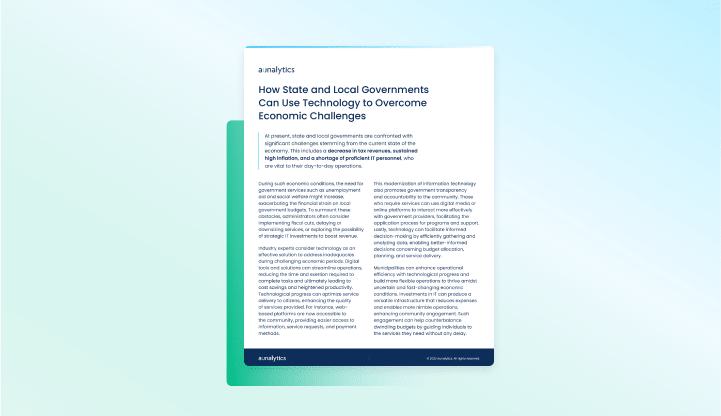
How State and Local Governments Can Use Technology to Overcome Economic Challenges
How State and Local Governments Can Use Technology to Overcome Economic Challenges
At present, state and local governments are confronted with significant challenges stemming from the current state of the economy. This includes a decrease in tax revenues, sustained high inflation, and a shortage of proficient IT personnel, who are vital to their day-to-day operations. Industry experts consider technology as an effective solution to address inadequacies during challenging economic periods.

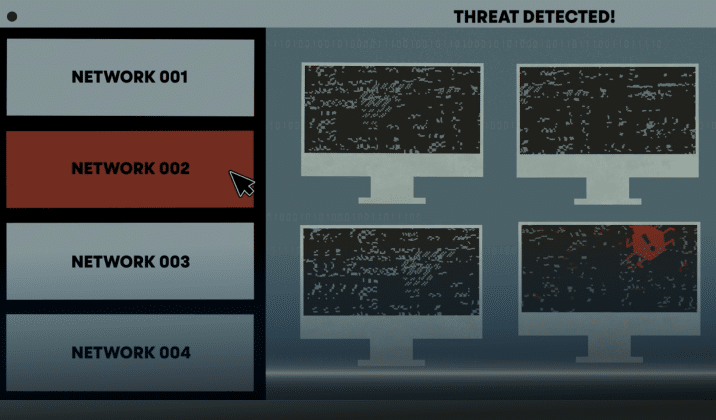
Local and State Government Cyberattacks Prove that Security is a Necessity
Cyberattacks are a constant threat to organizations of all sizes. State and local governments are no different, having experienced significantly more cyberattacks than they did in previous years, and are at very high risk of bad actors slipping into their networks. To gain a better understanding of the current attack environment and track changes over time in ransomware trends, Aunalytics security partner Sophos commissioned an independent, vendor-agnostic survey of 5,600 IT professionals across multiple industries in mid-sized organizations across 31 countries. While it’s true cyber insurance has been playing a greater role in helping organizations improve their ability to recover from attacks, survey responses clearly indicate that ransomware poses a rising threat to government organizations.
Government Cyberattacks Increase From Previous Years
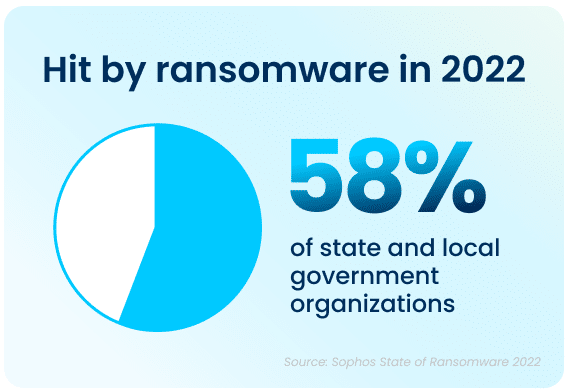
Ransomware attacks have increased significantly over the past year—58% of state and local government organizations surveyed were hit by an attack in 2021, up 70% from 2020. Bad actors are now considerably more capable of attacking organizations and executing harmful tactics at scale. The Ransomware-as-a-Service (RaaS) model is one cause of last year’s increased attacks, as the required skill level for bad actors to hamper the day-to-day operations of an organization has gone down significantly.
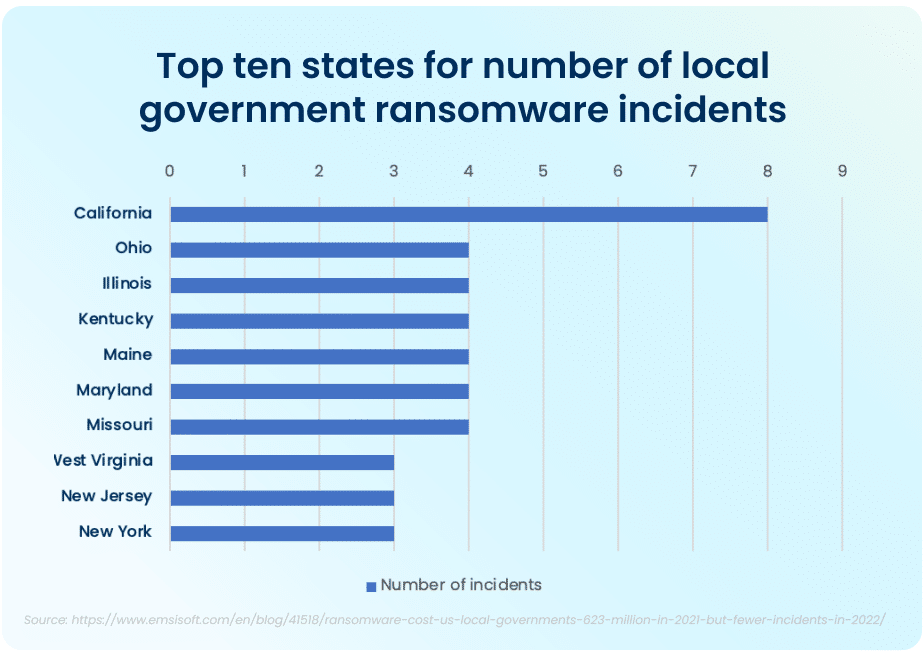
The top ten states that had to deal with the maximum amount of total ransomware attacks in the public sector in 2021 were California, who experienced the most attacks total, Ohio, Illinois, Kentucky, Maine, Maryland, and Missouri. While California took the lion’s share of attacks, with 8 major ransomware incidents, the other six states had four major incidents each.
FBI Cyber Division Survey Lists Examples of Ransomware Attacks
The Federal Bureau of Investigation (FBI) Cyber Division lists examples of several ransomware attacks that impacted state and local government organizations in their 2022 Private Industry Notification. This list contains evidence showing the impact these attacks can have on local communities.
For example, in January 2022, following a ransomware attack, a US county had to take all their systems offline and close all public locations in order to run an emergency response plan and restore all their data from backups. This action disabled all the cameras in the local county jail and deactivated automatic doors, resulting in severe safety concerns and a complete lockdown of the facility. A different county had their data—with residential and personal data—held ransom in an attack. When the ransom was not paid, all of the data was posted on the Dark Web in retaliation.
Rising Complexity of Ransomware Attacks
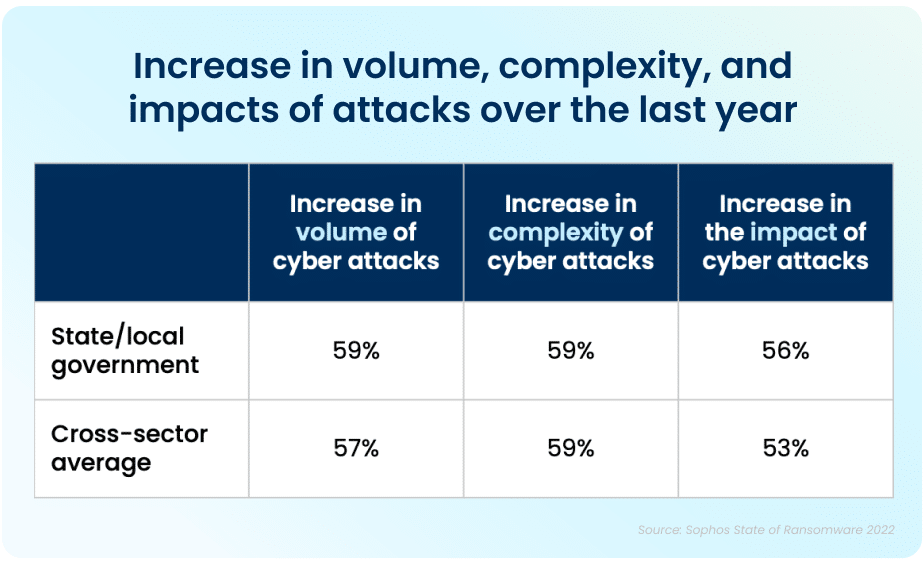
Apart from the rising prevalence of these attacks, the sheer complexity of each attack is also on an upwards trajectory. While the manufacturing and production industry reported the lowest rate of ransomware attacks, over half of all respondents reported their organization was injured by bad actors. The reality is that every organization is at high risk of cyberattack. In 2021, 59% percent of government organizations who experienced cyberattacks saw the complexity of the attacks increase, while a similar 59% saw an increase in the overall volume of cyberattacks.
Data Recovery Rates Are Improving
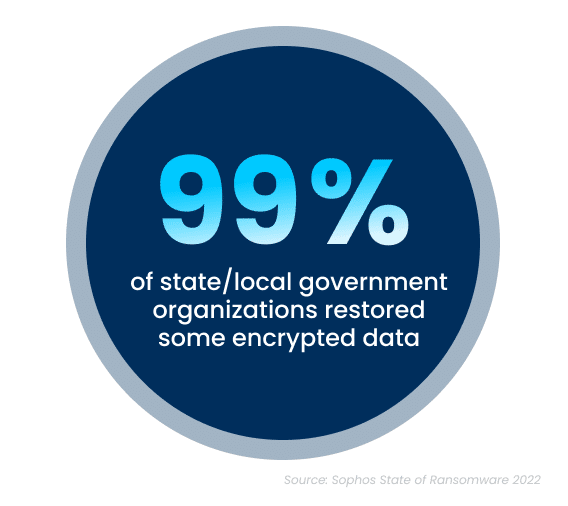
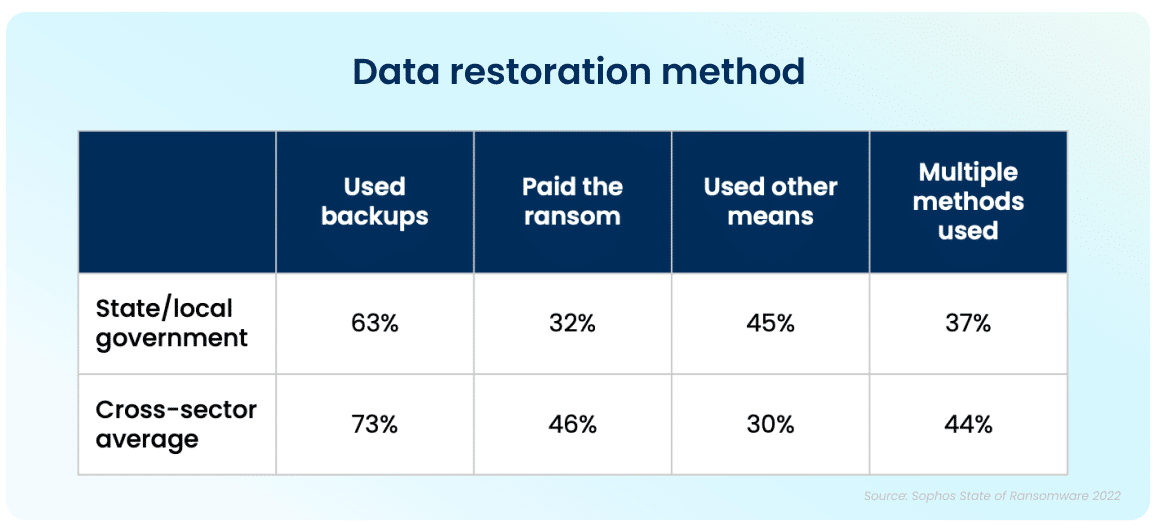
While the increase in cyberattacks paints a bleak picture, there is a silver lining to this dark cloud. Ninety-nine percent of government organizations were able to get at least some of their encrypted data back. The top method used to restore data was performed via existing backups, which were used by 63% of organizations whose data was encrypted in an attack. Unfortunately, despite the utilization of backups, 32% of the affected organizations still had to pay a ransom to ensure that more of their data was restored.
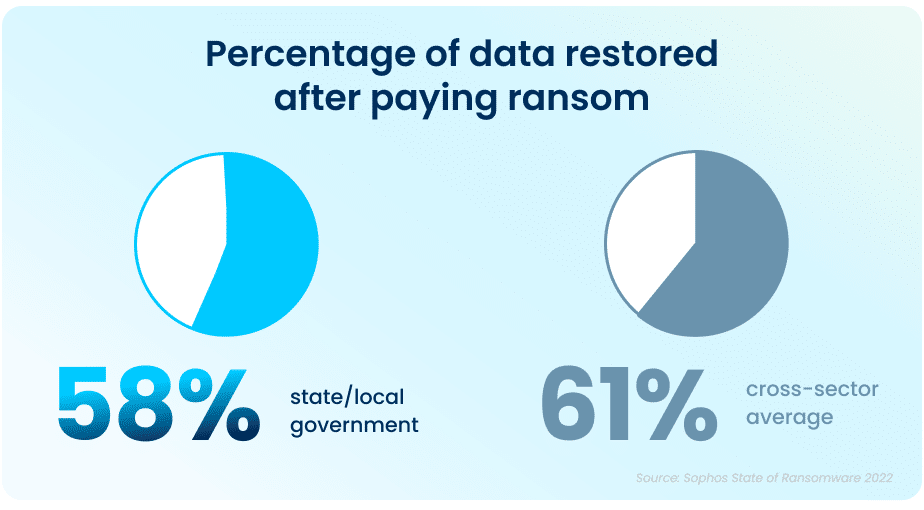
While paying a ransom typically allows organizations to get some data back, it is proving to be less effective than in years past. On average, in 2021, organizations that paid a ransom only got back 58% of their data, a considerable drop from 70% in 2020.
In April and June 2022, respectively, the states of North Carolina and Florida were the first states to prohibit state and local government organizations from paying ransoms to any bad actors. Arizona, Pennsylvania, Texas and New York are considering similar legislation. While the exact impact of this cannot be determined yet, this is expected to dissuade ransomware attacks on all organizations.
This highlights the importance of employing multiple methods to restore data—utilizing backups in particular can improve the speed of recovery and increase the amount of data that can be recovered in the event of an attack.
But It Doesn’t End There
The Sophos State of Ransomware In State and Local Government 2022 survey has revealed that ransomware continues to be an imminent threat for state and local government organizations. For many, choosing to work with an experienced partner with expertise in cybersecurity not only improves your chances of getting approved for the right amount of cyber insurance coverage, but can also ensure that companies see a higher return on investment, and improved ability to both prevent and mitigate attacks in the future. Aunalytics provides Disaster Recovery Services, which is further coupled with a comprehensive backup and archival strategy. This allows state and local government organizations like yours to remain confident so that you are prepared should you encounter a disaster event. We partner with industry leaders to replicate your critical infrastructure so you are prepared for anything.